1980
10 games in archive from 1980
The Golden Age Explodes: Pac-Man, Space Invaders, and the Arcade at Its Peak
By 1980, the arcade industry was generating more than $5 billion annually in the United States alone — more than Hollywood box-office receipts. Pac-Man debuted in Japan in May and instantly became the highest-grossing arcade game ever made. Space Invaders had arrived in North American arcades in 1978 and was still printing money. The golden age of the arcade was not just a cultural moment; it was a full-blown economic phenomenon.
The Arcade at Its Commercial Peak
The year 1980 represented something close to the platonic ideal of the arcade era. The machines were becoming more sophisticated — Battlezone introduced first-person perspective and vector graphics, Missile Command gave players a trackball and an existential terror of nuclear war, Centipede layered a shooter atop a progressively hostile insect ecology — but the business model was still elegantly simple. You inserted a quarter and you played until you died. Arcades multiplied across the United States at a rate that alarmed shopping-mall developers and delighted coin-op operators in roughly equal measure.
The key technological shift underlying the golden age was the move from discrete logic hardware to programmable microprocessors. Games could now be designed around software rather than around purpose-built circuit boards, which meant that a single manufacturing run could produce a cabinet that could theoretically be updated, and that the barrier to creating original game designs was primarily imagination rather than electronics expertise. The result was an explosion of original intellectual property: Pac-Man, Missile Command, Centipede, and Berzerk all debuted or spread widely in 1980, and each established genre conventions that persist to this day.
Pac-Man deserves special examination because its success was not a matter of degree but of kind. Namco designer Toru Iwatani deliberately designed a game for non-traditional arcade users — specifically women, who he believed were alienated by the violence-adjacent shooting games that dominated the floor. The resulting maze-chase game, with its rounded protagonist, its catchy intermission jingles, and its cast of named ghost antagonists, generated a level of cultural penetration that no game had previously achieved. Pac-Man was not just popular; it was omnipresent.
Home Consoles Begin Their Rise
The success of the Space Invaders home port on the Atari VCS in 1980 established a pattern that would define console economics for decades: the killer app. Atari licensed Taito's Space Invaders and released a home conversion that, while technically inferior to the arcade original, was close enough to satisfy millions of households that had no convenient access to an arcade. VCS sales quadrupled in the quarter the game launched. The lesson was unmistakable: a single compelling exclusive title could move hardware.
Mattel Electronics arrived in 1980 as the first credible challenger to Atari's home dominance. The Intellivision used a 16-bit processor (compared to the VCS's 8-bit 6507) and offered visibly superior graphics for sports titles in particular. Mattel ran television advertisements directly comparing Intellivision and VCS versions of the same games, a tactic Atari found aggressive enough to sue over. The first console war had begun, and it would run through 1983 with increasing bitterness and, eventually, mutual destruction in the crash.
What made 1980 remarkable in retrospect is that the industry was expanding simultaneously in two directions — the coin-op arcade business was growing faster than any entertainment sector in America while the home console market was beginning to emerge as a parallel economy. These two markets would compete for the same consumer attention and, in some cases, the same software licenses, for the next decade. But in 1980, there was room for both, and optimism was the rational response. The future of interactive entertainment seemed not just bright but unlimited.
"We can't keep the machines full of quarters." — arcade operator, Rolling Stone, 1980
Games from 1980
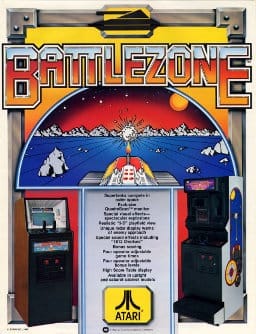
Battlezone
Arcade
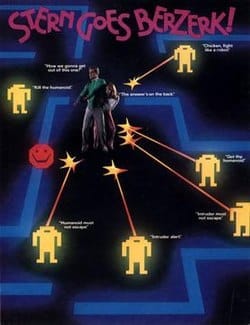
Berzerk
Arcade
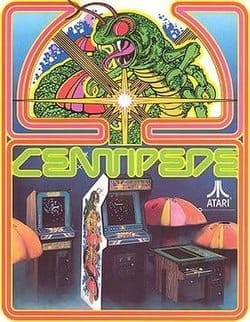
Centipede
Arcade
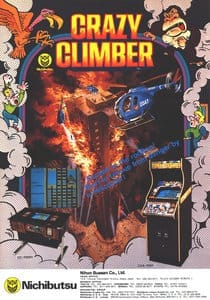
Crazy Climber
Arcade
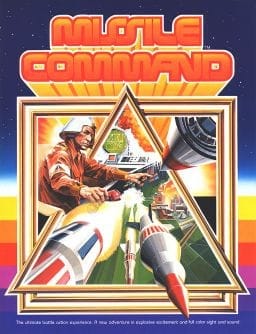
Missile Command
Arcade
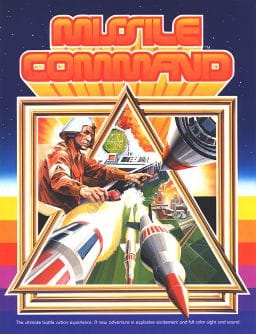
Missile Command (Atari)
Arcade / Atari 2600
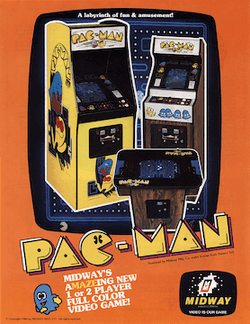
Pac-Man
Arcade
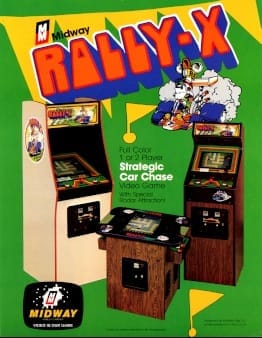
Rally-X
Arcade
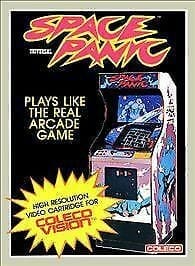
Space Panic
Arcade

Warlords
Arcade