Sabre Wulf
1984 · Action-Adventure · ZX Spectrum
Overview
Sabre Wulf is an action-adventure game released by British video game developer Ultimate Play the Game for the ZX Spectrum home computer in 1984. The player navigates the pith-helmeted Sabreman through a 2D jungle maze while collecting amulet pieces to bypass the guardian at its exit. The player does not receive explicit guidance on how to play and is left to decipher the game's objectives through trial and error.
Deep Dive
Sabre Wulf is an action-adventure game released by British video game developer Ultimate Play the Game for the ZX Spectrum home computer in 1984. The player navigates the pith-helmeted Sabreman through a 2D jungle maze while collecting amulet pieces to bypass the guardian at its exit. The player does not receive explicit guidance on how to play and is left to decipher the game's objectives through trial and error. Sabreman moves between the maze's 256 connected screens by touching the border where one screen ends and another begins. Each screen is filled with colourful flora, enemies that spawn at random, and occasional collectibles.
Developer Story
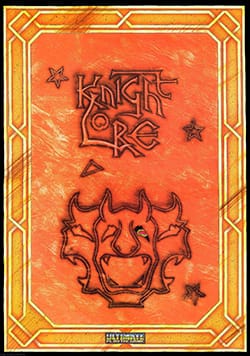
Sabre Wulf was created by Tim and Chris Stamper at Ultimate Play the Game in 1984, released simultaneously with Knight Lore. The jungle maze adventure starred Sabreman, who became the studio's recurring protagonist. Ultimate Play the Game was the most prestigious ZX Spectrum developer of its era — their games were sold in opaque black bags with minimal description, relying entirely on brand reputation.
Did You Know?
- Ultimate Play the Game sold games in black bags with deliberately minimal information — their brand reputation was strong enough that players bought sight unseen.
- Sabreman, the protagonist, appeared in multiple Ultimate games: Sabre Wulf, Underwurlde, Knight Lore, and Gunfright.
- The jungle maze was one of the largest game worlds on the ZX Spectrum, with hundreds of screens and a procedurally respawning enemy.
- Ultimate's reputation was so strong that the company could charge premium prices and receive pre-orders without showing the game.