1982
21 games in archive from 1982
Eight Billion Quarters, and the Ground Giving Way
The arcade industry took in $8 billion in coins in 1982 — twice what the entire recorded music business earned and nearly three times Hollywood's box office. It was the peak of the golden age and the peak of the second console generation simultaneously. Pac-Man was the highest-grossing arcade game for the third consecutive year, the Atari 2600 was the best-selling home system, and the Commodore 64 arrived to become one of the best-selling computers ever made. It was also the year Atari shipped E.T. and its own botched 2600 Pac-Man, and the year its troubles began the slide that would break the industry within twelve months.
The Peak Nobody Recognised
Two curves reached their maximum in 1982 at the same moment. The golden age of arcade video games peaked, with $8 billion flowing into coin slots — a figure that dwarfed the recorded music industry and Hollywood, and one that reads today as a claim requiring verification rather than an ordinary fact. The second generation of home consoles peaked alongside it, with the Atari 2600 outselling every rival. From inside 1982, the only visible direction was up.
What the numbers concealed was that both peaks were built on the same assumption: that demand was effectively unlimited and that quality was therefore optional. Arcades were saturating with cabinets, and the home market was filling with cartridges produced on the theory that anything with a licence would sell. When Pac-Man leads the arcades for a third straight year, the lesson a publisher draws is that the audience wants more of what it already has. The lesson it does not draw is that the audience is capable of noticing when it is being sold garbage.
Atari Loads the Gun
Atari's 1982 contained the whole future in miniature. Its 2600 conversion of Pac-Man — the most wanted game in the world, rendered on the 2600 with flickering ghosts and a maze that barely resembled the original — sold in enormous numbers precisely because the name guaranteed it would, and disappointed nearly everyone who bought it. Then came E.T., built against a licence Atari had paid heavily for, on a schedule that allowed no possibility of the game being good. Both moved units. Both taught millions of customers that an Atari cartridge was not a reliable purchase.
That is the mechanism of the crash, and it was fully assembled in 1982 even though the collapse is dated to 1983. A market can absorb a great deal of low-quality product as long as buyers cannot tell in advance which is which — right up until they conclude that none of it can be trusted and stop buying altogether. Atari released the 5200 into this environment as well, a console with no clear reason to exist beside the 2600 it was meant to succeed. The year the industry earned more than music and film combined was the same year it manufactured the conditions of its own near-destruction.
"The video arcade industry took in $8 billion in quarters in 1982 — more than pop music and Hollywood films combined."
Games from 1982
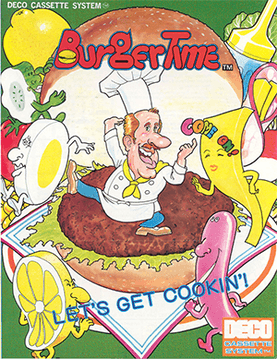
BurgerTime
Arcade
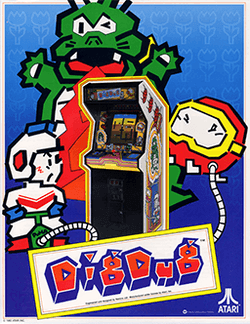
Dig Dug
Arcade
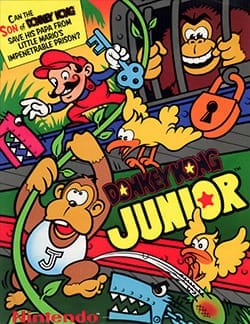
Donkey Kong Jr.
Arcade
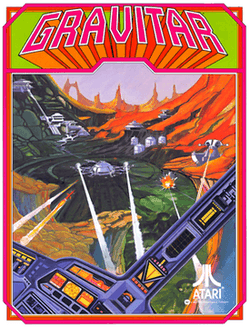
Gravitar
Arcade
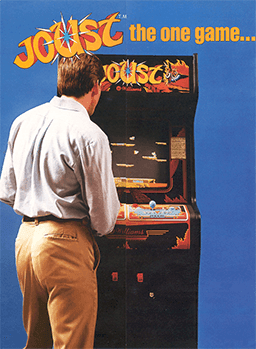
Joust
Arcade
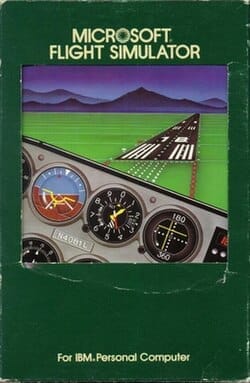
Microsoft Flight Simulator
PC/DOS
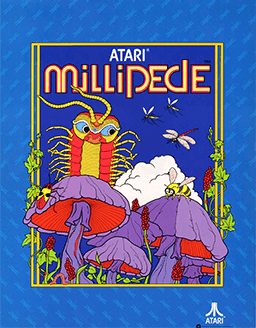
Millipede
Arcade
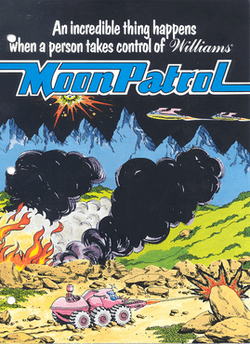
Moon Patrol
Arcade
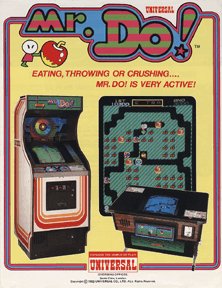
Mr. Do!
Arcade
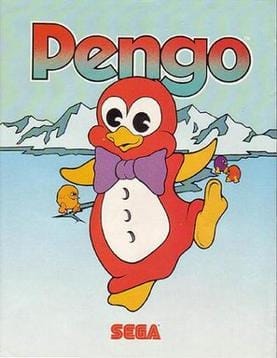
Pengo
Arcade
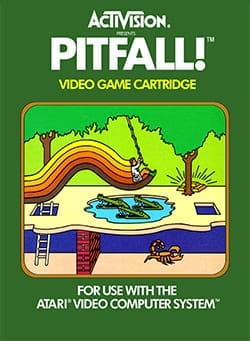
Pitfall!
Atari 2600
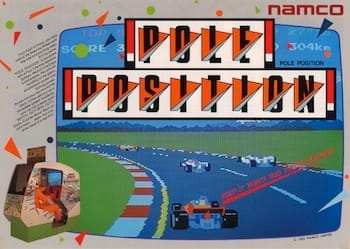
Pole Position
Arcade
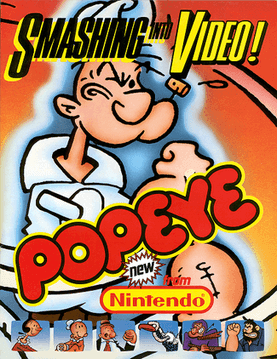
Popeye
Arcade
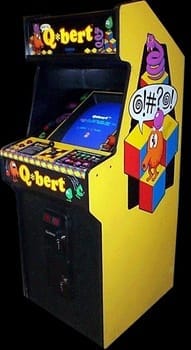
Q*bert
Arcade
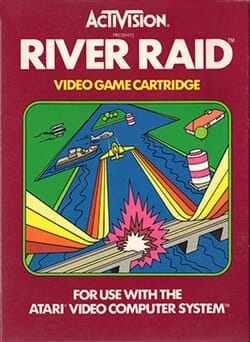
River Raid
Atari 2600
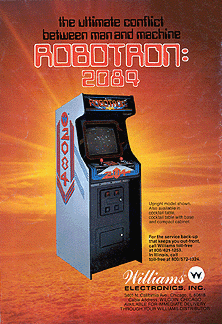
Robotron: 2084
Arcade
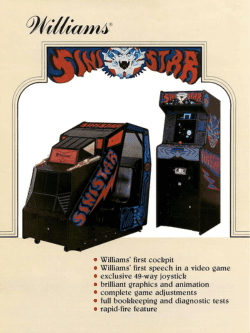
Sinistar
Arcade
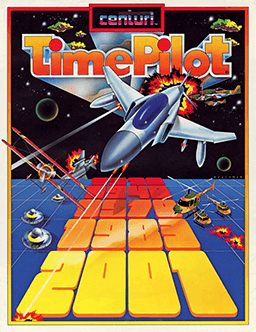
Time Pilot
Arcade
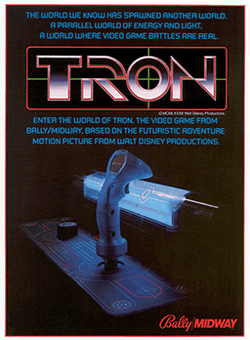
Tron
Arcade
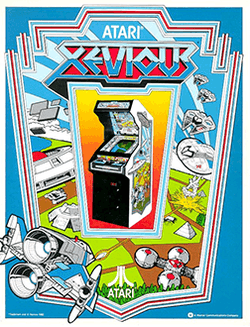
Xevious
Arcade
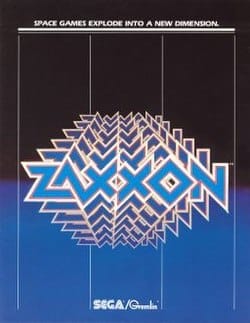
Zaxxon
Arcade